
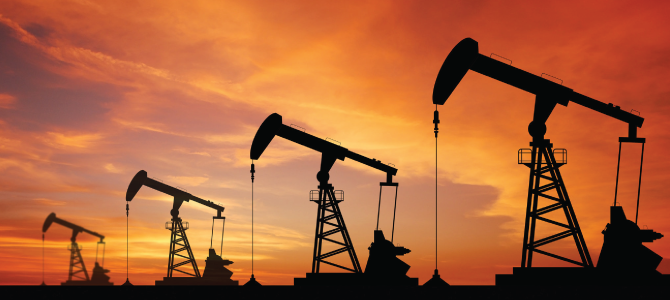
Agreement on oil production cuts did not happen at OPEC meeting: While Saudi oil minister Ali al-Naimi listened to issues from other OPEC members, OPEC agreed to leave the production levels unchanged on Friday, Dec. 4. Saudi Arabia’s oil policy has contributed to prices dropping more than 50 percent between June 2014 and today, which has a serious impact on the economy given that oil export revenues typically supplies 80 percent of government revenues. However, Saudi Arabia is no longer willing to shoulder the burden of oil production cuts, which would pave the way for losing market share to its biggest rivals in OPEC (Iran, Iraq), and Russia as well as smaller producers elsewhere.
Saudi government must tap reserves to sustain spending: The country’s leadership is relying upon more than $600 billion in foreign exchange reserves (third-highest in the world) in order to provide a temporary buffer while government expenditure outpaces revenue. The Saudi government spent more than 13 percent of FX reserves between August 2014 and September 2015, which totals roughly $100 billion and is an unsustainable policy. While the government is fully capable to maintain spending levels in 2016, the decision has already been made to cut spending (FSG forecasts budget cuts of 3.5 percent in 2016 and 1.5 percent in 2017, but no official figures have been released yet) to ready the economy for lower oil revenues for the next few years at least.
Low oil-price environment erodes Saudi growth potential in 2016: With oil prices expected to average below $60 per barrel, and demand from important trading partners in Asia and Europe softening, economic growth in Saudi Arabia will slacken in 2016. Budget cuts are planned, but key projects in education and healthcare will move forward. The government will leverage several cost savings measures in 2016, including delays to non-essential projects, cuts to capital expenditure, subsidy reforms (50 percent hike in water prices for government and large companies enacted as of Dec. 1), closer monitoring of project costs, and extended payment timelines. Given these dynamics, FSG expects gross domestic investment to slow to 4.8 percent YOY in 2016, down from 5.2 percent YOY in 2015.
Defense and health-care sectors will be most protected: Several industries will be impacted by the slowdown in 2016. Cuts to capital spending could impact technology investment, including equipment upgrades as well as causing some companies to forego maintenance. In addition, consumer spending will slow to 3.2 percent YOY because the affects of King Salman’s $20+ billion stimulus package from early 2015 have finally worn off. Healthcare projects remain a priority, but even this important sector will not be immune to challenges related to purchase delays, price sensitivity, and more stringent government tender approval processes. The defense sector appears to remain insulated from budget cuts, as businesses continue to report security-related projects being fast-tracked in the country.
Saudi stock market closes out a disappointing year: Expectations were sky high when Saudi Arabia’s bourse tentatively opened to foreign investment in mid-2015. And there was good reason for this optimism: total market capitalization is more than $560 billion in Saudi Arabia. However, some stocks were overvalued in the run up to the stock exchange opening to foreign investors. In addition, stringent rules still limit foreign institutions from investing in many instances. Finally, the low oil price environment has undermined important sectors on the stock exchange, especially petrochemicals. As a result, Saudi Arabia’s stock exchange reached a 35-month low on Nov. 15, continuing a slide in which the total value of the bourse has dropped 17.4 percent in 2015. Despite setbacks for the stock exchange this year, the Saudi government has high hopes for the stock market’s long-term prospects. It is seen as an anchor to slowly open up the economy in order to diversify away from government-led and oil-funded domestic investment. The government’s recent two-week international road show to attract foreign investment demonstrates its long-term commitment to opening the market albeit in a measured way.
For our latest updates and insights, FSG clients can visit the client portal. Not a client? Contact us to learn more.