
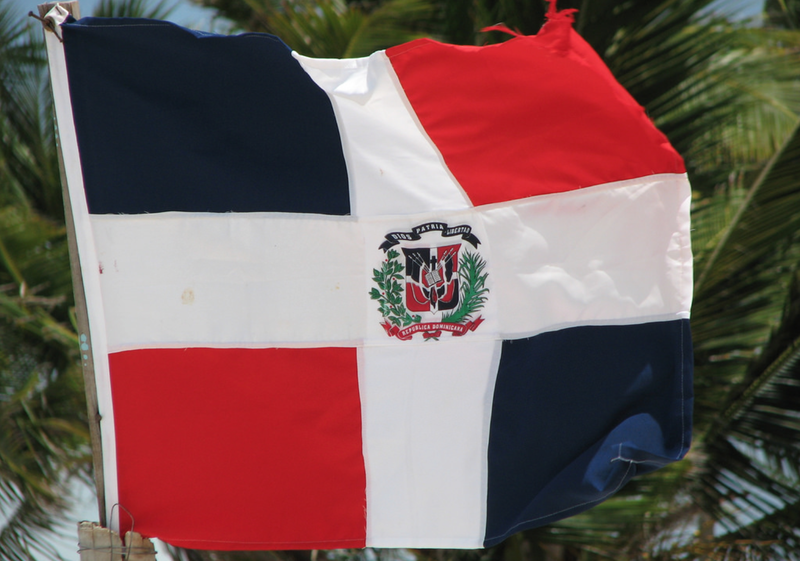
The Dominican Republic held presidential elections on Sunday (May 15th), re-electing the incumbent candidate, Danilo Medina. Medina has been president of the country since 2012, overseeing significant economic growth during that period.
Leading in the polls for the last 18 months, Medina avoided the rapid expansion of public spending, which has been the customary tactic of the incumbent in the run-up to presidential elections in the Dominican Republic. This is important for the continued strong economic outlook for this market, as a stabilized fiscal account following significant reform measures in 2013 resulted in a more stable macro-economic environment and a consequent boost to both investor and consumer sentiment. With the continuation of the Medina government, FSG’s outlook for the Dominican Republic remains stable with growth at 5.5% and 4.5% expected for 2015 and 2016, respectively.
Key economic drivers
Moving forward, the Dominican Republic will continue to see strong investment expansion, with investment in infrastructure and industry leading the way. As the economy sees sustained investment growth, expect local wages to continue to grow, and for the island to represent an increasingly attractive consumer market.
While the Dominican Republic has benefitted from continued growth in the US, the country also has a relatively diversified economy, making it more resilient to external fluctuations than most regional markets. That said, over the medium-term, external demand (especially that coming from the US) will continue to be a critical component of the island’s economic success.
Concerns and actions to take
FSG continues to monitor the consumer credit situation in the Dominican Republic, as consumers on the island have become increasingly indebted in recent years. Heightened household debt levels threaten a sudden slow-down in the economy, should credit conditions worsen in the short-run. While the Central Bank has recently undergone a round policy easing (inflation in the Dominican Republic fell below 1% in 2015 because of the sharp fall in global oil prices, the economy’s top import), expect policy tightening over the next 18-24 months as inflation gradually returns to the bank’s target of 4%.
Likewise, the eventual opening of the Cuban market to American tourists is expected to divert tourist arrivals from the Dominican Republic, threatening to dent the country’s large hotel and restaurant industries that rely heavily on tourist dollars.
B2C companies operating in the Dominican Republic should continue to invest in the country in order to maximize sales to the market’s growing middle class and take advantage of the rising number of tourists arriving from developed markets, such as the US and Canada.
B2C and B2B companies with operations in the Dominican Republic might consider whether it makes sense to utilize the market as their regional distribution hub, as domestic politics and macroeconomics are on a relatively steady trajectory when compared the country’s Caribbean and Central American neighbors.
Finally, B2B and B2G companies should expect continued high investment in the market. While B2B companies should align with key customers to understand their plans for future investment in possible local manufacturing, B2G companies should strengthen key relationships now to ensure they are able to maintain sales over the long-run in periods of budgetary stress.
For our latest updates and insights, FSG clients can visit the client portal. Not a client? Contact us to learn more.