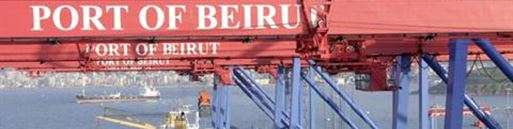
 This blog post is in response to the very good analysis offered by Rebel Economy regarding how a Syria strike could impact MENA’s economy. I want to offer one counterpoint on why I don’t think the impact of a potential strike is overstated as it pertains to transportation disruptions through Lebanon.
As Rebel Economy points out, cargo traffic has increased through the Port of Beirut during the Syrian Civil War. Aside from upgrades to the port infrastructure, this is for two reasons that are related to the conflict. First, companies are re-routing regional shipments to go through Beirut (and Aqaba) rather than Latakia and Tartus, Syria’s two largest port cities, to avoid risky overland transport to other locations in the region. Second, the huge influx of Syrian refugees has supported domestic demand in Lebanon.
But a military intervention in Syria, even on a small scale, could make the Port of Beirut seem a lot riskier. I can think of a few ways that a Syria strike might lead to spillover in Lebanon: heightened communal tensions, an Israeli conflict with Hezbollah, or a new wave of Syrian refugees. Any of these scenarios could undermine Lebanese political stability, hurting the competitive advantage that the Port of Beirut has enjoyed this year. Sometimes perception is all that matters in these types of situations and some companies could be scared off rather than counting on Lebanon’s resilience.
Earlier in the year, some shipping companies considered re-routing cargo traffic through the Cape of Good Hope in South Africa in the event of MENA unrest impacting transit through Beirut, Aqaba, and the Suez Canal. While this type of major transport shift would only happen under extreme circumstances, the fact that it has been considered demonstrates that companies are wary of what a widening regional conflict could mean for their business.
Further instability would mean higher insurance rates for sea freight shipping through the MENA region. This development might force companies to pass on higher costs to customers. Senior executives should monitor how higher transportation costs indirectly impacts their businesses and the spending power of customers. For consumer-oriented companies, higher costs might encourage customers to trade down to low-cost products. For companies selling to small businesses, be mindful of changes in your customers’ access to financing in case of tighter credit conditions. For companies selling to governments, the threat of transportation disruptions could put further pressure on government finances in import-dependent economies.



Speak Your Mind