



Visit the new Frontier Strategy Group homepage to learn more about our current offering, in addition to the latest insight from our emerging market community.
Featured Emerging Markets Insights
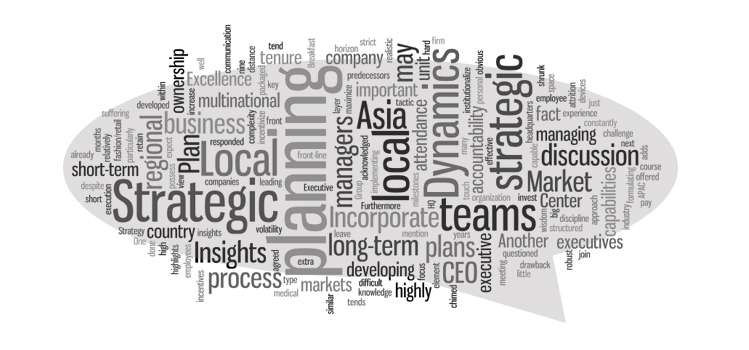
Asia CEO Insights: Incorporate Local Market Dynamics into the Strategic Plan
“Knowledge of local markets should not reside only in local markets. Institutionalizing knowledge is critical in light of the high attrition of local talent in Asia.” Key takeaways from FSG's Executive Breakfast in Shanghai.
Argentina Consumer Crisis Redux: Lessons from History to Inform Investment Today
For investors focused on the consumer products segment, previous crises offer ample clues to how consumers may behave in future crisis. Understanding these clues will be critical to crafting an effective strategy for mitigating risk and capturing opportunity in the consumer space should Argentina again march over the precipice.

Africa’s broadening horizons - Financial Times Feature
Africa's Broadening Horizons: Frontier Strategy Group - Financial Times feature on African investment opportunities for multinational companies. Given uncertainty in Europe and deceleration of key markets like China, many of our clients view Sub Saharan Africa as the bright spot for long-term investment in their emerging markets portfolio...

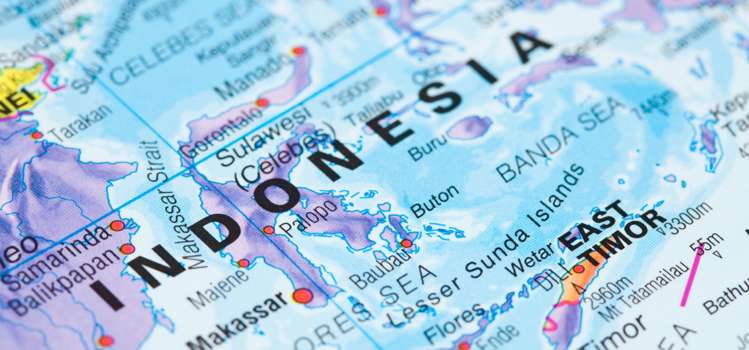
Scaling your Business in Indonesia
Best practices for channel management in Asia's rising star. To take full advantage of Indonesia’s rapidly growing market, companies must strike a balance between market penetration and cost effectiveness.
Gerardo’s Cautionary Tale: Pharmaceutical Companies and Distributors in Brazil
94% of Frontier Strategy Group clients rely at least partially on distributors, and just over 50% of our clients’ sales volume is brought in through these “indirect” (distribution) channels. Interview with FSG Expert Advisor Gerardo Mendoza




In this podcast, Frontier Strategy Group Expert Adviser Brandi Moore shares her expertise on building a strong culture of innovation in emerging markets. In the business press, stories of successful emerging markets-led innovation from companies like GE and Unilever dominate headlines, but most companies struggle to achieve similar results. Brandi shares her view on why, and offers practical solutions.
To listen to or download the podcast, click on this link to access the iTunes store.
————————————————————————————————————————————————————
 Brandi Moore has been solving challenging business problems in India since 2004. She has worked in India with Wipro, Infosys and other top outsourcers building processes to span learning gaps between Indian concepts and Western business models. She has extensive experience developing methodologies for US executives managing Indian employees, leading India-based projects and negotiating with Indian executives.
Brandi has negotiated with foreign governments, large corporations and inside India with stakes as high as $200 million. She is trained in the 5-D Hofstede model and executes negotiations based on culture as well as formal negotiation strategy.

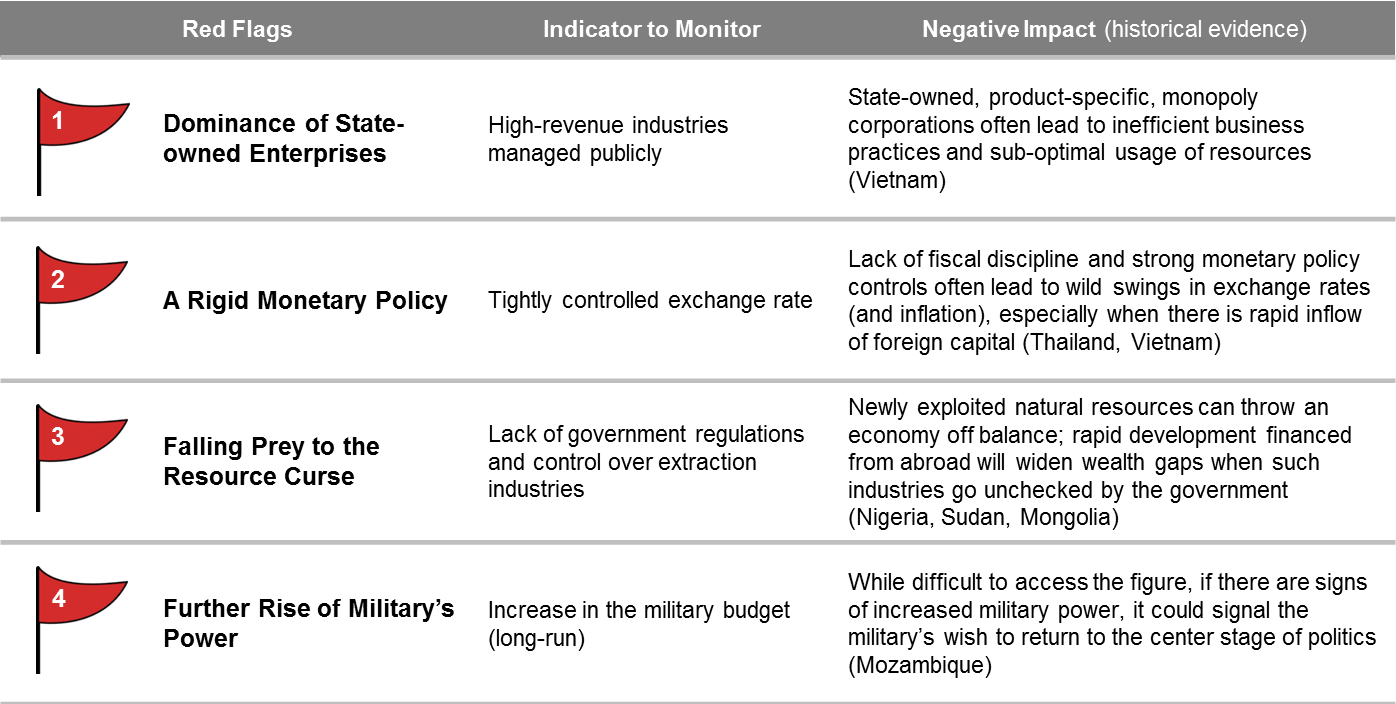
Important to remain alert: Amidst the enthusiasm, multinationals should not underestimate the fragility of Myanmar’s long path of development that can easily be derailed by misguided leadership and influential crony businessmen. Here are four red flags for you to look out for:
Nigeria in 2013 will provide a mixed picture for investors. While the government’s 2013 budget promises to open new investment opportunities, challenges lie ahead. Renewed fuel subsidy reductions will impact consumer purchasing power while the security situation in Nigeria’s hot spot regions is likely to deteriorate.
Trend #1: The Proposed 2013 Budget Creates Investment Opportunities
The Federal Government submitted the budget proposal to the National Assembly for approval. An increase in spending means opportunities in sectors that have received budget allocations or investment incentives. Focus areas for the economy in 2013 are security, education, infrastructure and healthcare. The 2013 budget aims to create long-term macroeconomic stability through continued investment in capital expenditures, deficit reduction, and the development of non-oil revenue sources.
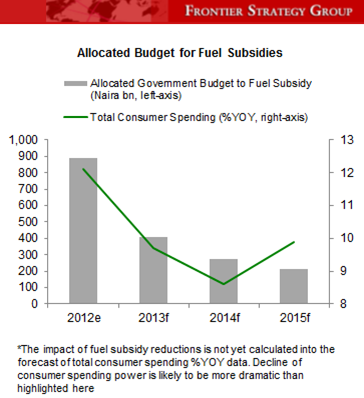
Trend#2: New Fuel Subsidy Reductions will Impact Consumer Purchasing Power
The government launched a new campaign to remove the fuel subsidy in the medium-term, a year after the attempted removal caused widespread protests. New plans will see the fuel subsidy gradually reduced through 2015. Consumers will be hit hardest by the fuel subsidy reduction as purchasing power for non-essential goods is likely to decrease. This comes after consumers were strained in 2012 when fuel subsidies were reduced for the first time. The initial impact of the subsidy reduction will be felt in early 2013. As a result, renewed protests are likely to hit the country once the new reductions are announced. Companies have to reach new customers to compensate for any potential decrease in consumer purchasing power.
Trend #3: The Security Situation is Likely to Worsen
The government allocated the lion’s share of the budget (668.51 billion Naira) to security, indicating that tackling Nigeria’s many security challenges is a key priority. However, companies should prepare for increasing insecurity in hot spot regions as violence is likely to increase if the budget is spent on recruiting more personnel into badly managed security forces that crack down brutally on dissent rather than on investing in better management and training.
Nigeria’s security challenges include bombings by Boko Haram and ethno-religious clashes in the northern and central areas, kidnapping, oil theft and piracy in the Niger Delta, and kidnappings in the Southeast. But the violence is about Nigeria’s acute social disadvantages and widening wealth gap.
- Boko Haram: The group’s frequent attacks cannot simply be attributed to Islamist militancy, but rather longstanding socio-economic grievances and skyrocketing unemployment. The group is fighting the government which it blames for the precarious economic situation. As a result, the group wants to install Sharia law because it believes secular law is too corrupt and only religious law can establish order. The security forces’ vehement crackdowns and resulting civilian casualties contribute to an expanding base for recruitment.
- Niger Delta: Similar to the situation with Boko Haram, unemployment and poverty is driving crime in Nigeria’s main oil producing region. In 2009 the government issued an amnesty to all militants with the failed promise to create employment. Instead, criminal activity has increased, specializing in oil theft (150,000 b/d, worth US$7bn annually) and kidnappings.
Having a contingency plan allows companies operating in these regions to manage risks and seize opportunities as they materialize.
*Editors Note: Don’t miss Anna Rosenberg’s latest article on managing distributors in sub-Saharan Africa


In this podcast, FSG senior analyst Sam Osborn highlights the top three global risks executives should be developing contingency plans for. These seemingly local events would have significant ripple effects across emerging markets globally: the US fiscal cliff, the eurozone crisis, and a potential conflict involving Iran. Sam shares key signposts to monitor and implications for MNCs.
To listen to or download the podcast, click on this link to access the iTunes store.

Saudi Arabia will be the critical growth driver for foreign companies operating in the Middle East and North Africa (MENA) in 2013. However, economic and political uncertainty in the region has led many companies to form an overreliance on the Saudi market. As a result, senior executives must ensure they are prepared to tackle major developments that could alter Saudi Arabia’s investment climate next year. FSG has identified 7 major developments across the political, economic, and business landscapes that could impact the investment climate significantly.
1) Regional stability
Saudi Arabia could become increasingly involved in neighboring conflicts in Bahrain and Yemen to prevent spill over. In addition, a longstanding rivalry with Iran could escalate in Iraq, Lebanon, and Syria. While it is unclear whether or not Iran perpetrated this year’s cyber-attack that rendered useless 30,000 computers for Saudi oil giant ARAMCO, the Shamoon virus illustrated a potent, 21st century weapon that can be used against the sensitive oil infrastructure in the kingdom.
2) Domestic stability
Underreported unrest in Saudi Arabia’s oil-rich Eastern Province could escalate as a result of increasingly harsh crackdowns in 2013. Prince Mohammad, who is credited with pushing al Qaeda out of the country during the past 10 years, has been promoted to Interior Minister in part to maintain stability in the Eastern Province. Saudi Arabia has dedicated a chunk of its social sector spending program on the underserved province, which means plenty of investment opportunities in 2013 and beyond. However, more than a dozen Saudis were killed in Eastern Province protests in 2012. High unemployment and heavy-handed responses by the police remain catalysts for unrest.
3) Leadership succession
It is unlikely that the next leader of Saudi Arabia will change King Abdullah’s path drastically. Saudi Arabia needs to maintain close trade ties with Europe, Asia, and the US, given the country’s dependence on oil resources for export revenue and longstanding foreign investment plans to diversify the economy. If Crown Prince Salman were to become the next ruler of Saudi Arabia, it would represent continuity from King Abdullah’s reign.
The major concerns lie in the process of succession, particularly due to the opaque and untested Allegiance Council that is charged with selecting new leadership. King Abdullah has already set the precedent of bypassing the Council by twice selecting a new Crown Prince without utilizing the official mechanism. Assuming the Allegiance Council is activated, the process could still accentuate rifts between rival factions within the royal family. Behind-the-scenes infighting could spill out into the public eye, which would be a destabilizing factor in the kingdom. If the leadership role is passed to the third generation, it may ruffle the feathers of remaining princes in the second generation. Yet a dearth of qualified second generation princes means this generational leap is imminent.
4) Global economic volatility
Saudi Arabia is uniquely positioned to withstand global economic instability in the medium term due to currency reserves that surpass US$600 billion. Higher-than-expected oil prices this year will lead to a budget surplus for another year in a row. As a result, government spending priorities are unlikely to be altered by economic stagnation in Asia, Europe, and the US. Those spending priorities include: education, healthcare, housing, and transportation infrastructure.
On the other hand, a weaker global environment would dampen FDI flows into Saudi Arabia, particularly if the eurozone and US economies contribute to a slowdown in Asia. Economies in Asia are also important customers for Saudi exports such as oil, petrochemicals, and plastics. If global economic stagnation undermines oil prices, companies should expect more pressure on contractors to keep costs down to maintain their own profitability and keep government clients happy.
5) Consumer prices
Many Saudi consumers are insulated from the most severe swings in global commodity prices due to generous government subsidies. While Saudi Arabia was able to insulate its citizens from price spikes following international droughts in 2012, climate change will likely make food shortages a more common occurrence globally. Regional instability has the potential to disrupt transportation of goods across borders, which places upward pressure on food prices as well. Food costs account for 25% of Saudi household expenses so it will be difficult for the country to remain insulated to sustained global price swings.
It is unclear when Saudi Arabia will start to implement its new mortgage law, which should lead to an explosion in housing demand across the country. The current housing shortage places upward pressure on housing costs, but a significant increase in housing demand will be another factor to push up prices in the short term.
6) Labor regulations
Private sector firms are being fined if the majority of their workforce is non-Saudi with a penalty of US$640 for each excess foreign worker. While this is a negligible cost for foreign companies without a significant presence in the country, the fine could hit harder for local Saudi companies, many of which are foreign company partners and customers. The construction industry’s reliance on foreign labor, which comprises up to 95% of the workforce, could lead to project delays. All companies should diversify their workforce to include more GCC nationals, who are not counted as foreigners under the new labor regulations.
Saudi Arabia is committed to rebalancing the local labor market due to demographic trends that cannot be ignored. More than 60% of Saudi Arabia’s population is under the age of 24, and youth unemployment rates are up to 25% or higher. The economy must create an estimated 400,000 new jobs every year to bring down the unemployment rate. Currently, 90% of the private sector’s workforce is comprised of expatriates. This must change for the long-term viability of Saudi Arabia’s economy.
7) Rising competition
Volatility in the rest of MENA is leading to rising competition in Saudi Arabia where companies are focusing on market opportunities. Next year’s FDI inflows are expected to reach US$20 billion in Saudi Arabia, which significantly outpaces other regional investment destinations. Even among relatively stable and well-capitalized Gulf Cooperation Council countries, Saudi Arabia is rapidly growing its share of foreign investment from 54% in 2011 to a forecast of 60% by 2014.
Competition from GCC neighbors, especially Qatar, will push Saudi Arabia to increase its attractiveness for foreign businesses. For example, Saudi Arabia plans to invest more than US$200 billion in port infrastructure amid upgrades in Qatar as it prepares for the 2022 FIFA World Cup and in the UAE, which is upgrading Jebel Ali in Dubai and continuing to build out Khalifa Port in Abu Dhabi.

In this podcast, FSG practice leader Adam Jarcyzk shares his insights into China’s booming ecommerce market. By 2014, the Chinese ecommerce market will be larger than that of the US, but the traditional strategies companies have used in the West are unlikely to succeed in China. Adam shares three recommendations for adapting your approach.
To listen to or download the podcast, click on this link to access the iTunes store.
Global uncertainty is increasing. The back-and-forth negotiations surrounding policy decisions on the US Fiscal Cliff, Eurozone crisis, and potential conflicts in the Middle East may be intriguing for political scientists, but for global business executives, they are cause for major headache. These policy decisions don’t just affect the upcoming elections; the anemic growth of the global economy is at stake. Any escalation of one of these major drivers of global risk could seriously thwart hard-earned recovery, and plunge the globe into another recession.
With that said, emerging markets continue to show promise for 2013, even in the face of increased global risk. By focusing on economies that are better positioned to withstand the major influencers of uncertainty, and mitigating exposure to economies that are highly susceptible, growth can still be achieved. For example, economies in: Asia Pacific, Sub-Saharan Africa, and parts of Latin America are relatively well insulated. In the near-term, countries such as: Indonesia, Nigeria, Philippines, and Colombia exhibit the necessary growth fundamentals to withstand some of these potential negative shocks. However, looking at the growth fundamentals alone is not enough. Let’s take a closer look at the three big reasons why emerging market executives need to prepare contingency plan as soon as possible.
1. US Fiscal Cliff – How will you plan for a sharp decline in global demand?
The primary determinant of exposure to the US Fiscal cliff is the amount of exports emerging market regions send to the US. However, the ripple-through effects of the US falling over the fiscal cliff (or probably more appropriately, sliding down the fiscal slope) are much more far-reaching. A reduction in US demand will reduce manufacturing as export-led economies rebalance to reach new market equilibriums. This decline in manufacturing will also reduce demand for the input-commodities, adding downward pressure onto commodity prices. Executives that are caught off-guard by the susceptibility of some economies in their portfolio will find themselves playing catch-up in attempting to rebalance their resource allocation.
2. Eurozone Crisis – Are you prepared for a sudden reversal of foreign direct investment flows?
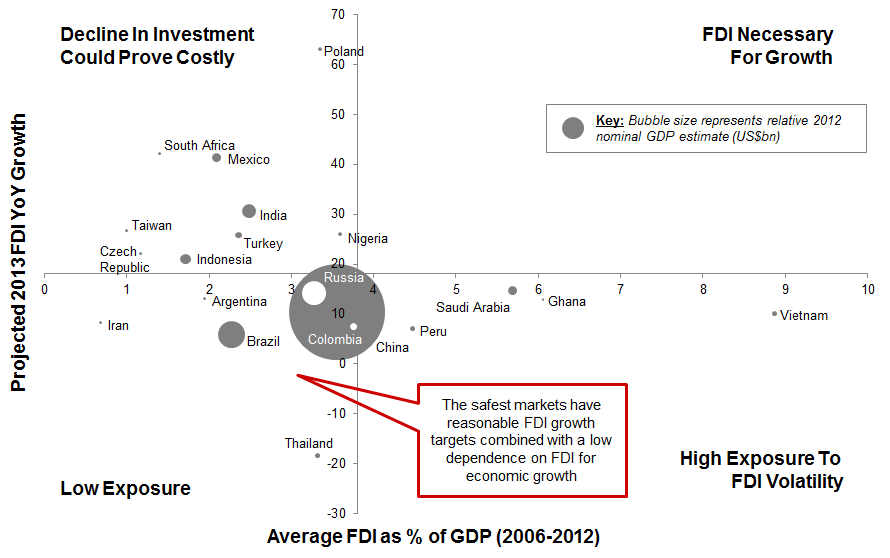
Trade and financial linkages are the fundamental transmission channels of an intensified Eurozone Crisis. A weakening Eurozone economy, combined with heightened perceptions of global risk, could undermine the foreign direct investment inflows that are currently expected to moderately increase for emerging market economies in 2013. Economies that are dependent on advanced economy capital flows for growth could see a major source of investment dry up.
3. Conflict in Middle East – What happens if there is a major oil shock?
Any conflict in the Middle East could result in a major decline in global oil supply, prompting a spike in oil prices. Higher oil prices would reduce sluggish growth and raise production costs (eroding profitability), while upward pressure on inflation could trigger a reassessment of credit supply in emerging markets. All of these factors combined could cripple indebted economies and threaten a liquidity crisis. The susceptibility and flexibility emerging markets have in dealing with this scenario depends on their adequacy of reserves, and their potential to shift production to exports to enhance their repayment capacity. For example, countries such as Ukraine and Poland are in major danger of a liquidity crisis if economic tensions rise due a reduction in global oil supply.
Only by fully understanding the implications and impacts of these events on business can companies appropriately react to the downside possibility. Executives that plan for the worst will find themselves a step-ahead of the competition if any of these risks materialize. In a highly competitive environment, that extra advantage can be the difference between exceeding and missing performance targets.

In this podcast, Frontier Strategy Group Expert Advisor, David Hodge, shares his experiences and best practices in the realm of post-merger integration. David was a key member of the transaction team for Amcor’s 3 largest acquisitions, and has completed M&A transactions in 10 separate countries. He highlights four of the most common pitfalls to avoid, and shares a “strategic growth framework” for capturing the most value.
To listen to or download the podcast, click on this link to access the iTunes store.
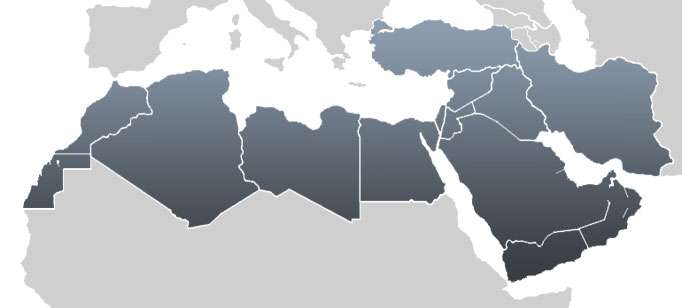
Despite economic and political instability, the Middle East and North Africa (MENA)’s economies will continue to expand, offering both opportunities and risks. In the current business landscape, effective distributor management is a critical element to capitalizing on opportunities and mitigating risks in MENA.
Local partners can provide a buffer to operational risks in order to assuage the corporate center, which might be concerned about some of the more volatile markets. Local partners can also provide critical capabilities like market insight and value-added services, which help companies to capture growth opportunities that might otherwise be out of reach.
More than two-thirds of FSG clients that were polled said they rely on distributors to reach their customers in MENA. In addition, nearly 70% plan to expand their local presence during the next three years and distributors will play a critical role in this process.
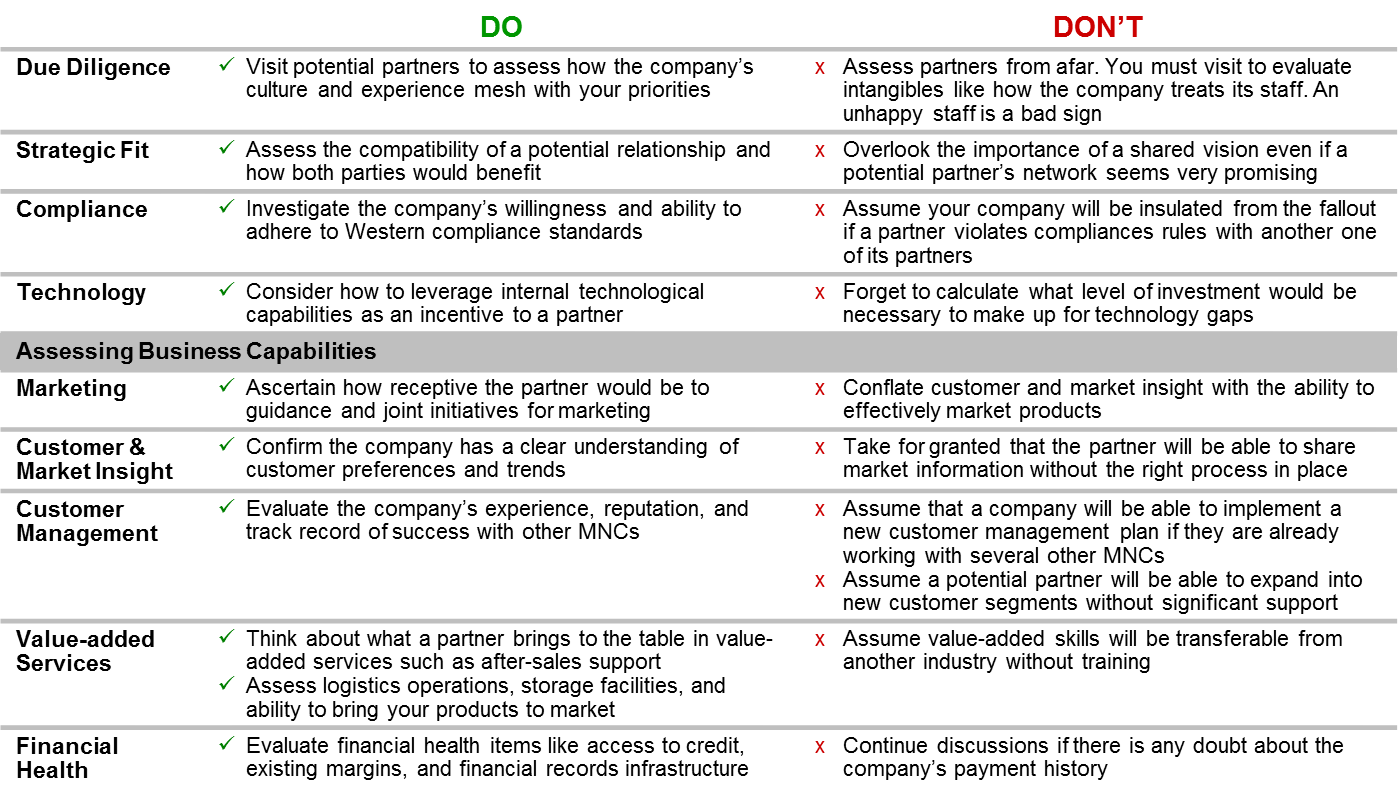
Companies that are assessing new partners should vet the prospective distributors based on considerations that are unique to the MENA region:
Featured Authors
-